 English
 Türkçe
  Ελληνικά
  العربية
  Русский
  עברית
עברית  Deutsch
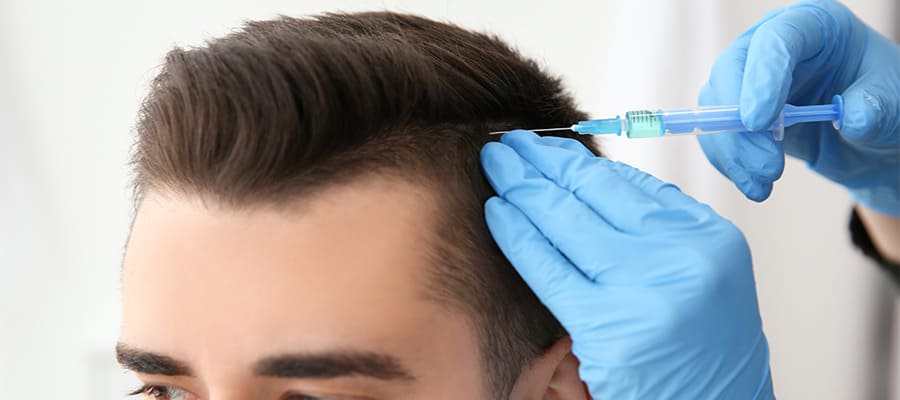
Hair transplantation is a surgical procedure performed on individuals who experience hair loss or thinning over time due to various factors such as stress, genetic predisposition, certain behavioral habits, and environmental conditions. Hair transplantation is observed more frequently in both women and men as age progresses. In cases of accidents or injuries that result in hair loss, hair restoration procedures can help treat the affected area. Transplantation procedures can also be successfully applied to areas such as the eyebrows, mustache, and beard.
Hair is an essential component of aesthetic appearance and natural beauty. Because hair thinning or baldness can negatively affect an individual's psychology, hair transplantation has become increasingly important. With hair transplantation procedures, individuals experiencing hair loss can regain natural-looking hair and continue their lives with confidence for many years.
Although hair transplantation has been performed using different techniques throughout history, the most widely used method today involves transplanting hair follicles taken from the donor areas resistant to hair loss, typically the back of the head (the nape area). Hair follicles, known as grafts, are extracted using specialized techniques and then transplanted into areas experiencing hair loss.
In general, hair follicles are taken from the nape area of the patient. However, if this area is insufficient, hair follicles may also be harvested from other parts of the body such as the chest or arms and transplanted to the bald areas. The duration of the procedure varies depending on the severity of hair loss. On average, the procedure takes between 4 and 12 hours. In cases of advanced hair loss, hair transplantation may require multiple sessions.
Since hair transplantation is a surgical procedure, it must be performed by qualified medical professionals. Therefore, it is important that the procedure takes place in a hospital setting or in a well-equipped clinical environment. Patients undergoing hair transplantation should provide the physician with complete information about their medical history and existing health conditions. If medications being used may negatively affect the procedure or pose a risk to health, they should be discontinued approximately three days before the operation, under medical supervision.
Additionally, alcohol consumption should be avoided at least one day before the procedure, and the use of any narcotic substances should be strictly avoided. Smoking reduces blood circulation in the scalp; therefore, avoiding smoking before the procedure and refraining from smoking for approximately one week after the operation can significantly improve the success rate of the treatment.
The hair transplantation process begins when the individual decides to undergo the procedure. It consists of several key stages including blood tests, hair analysis, hair transplantation planning, the hair transplantation procedure itself, graft collection, opening of micro channels, and implantation of the collected grafts into these channels.
During the preparation stage, the patient is evaluated to determine whether they are suitable for hair transplantation. Hair analysis is then conducted to determine the cause of hair loss, the type of hair loss, and the stage of the condition. Blood tests are also performed to ensure that the procedure will not cause any adverse effects on the patient's health.
Since hair transplantation is a surgical procedure, patients should avoid taking aspirin and blood-thinning medications during the week prior to the operation. On the day of the procedure, patients should have a light breakfast and arrive well-rested. Wearing comfortable and loose clothing during the procedure can help ensure greater comfort.
It is also important to arrive at the clinic with clean hair and proper hygiene. Consuming easily digestible foods before the procedure can help prevent discomfort during the operation. Loose clothing is recommended because it minimizes contact with the hair during dressing and undressing, which contributes to a more successful recovery process.
Because hair plays a significant role in aesthetic appearance, individuals experiencing thinning hair or baldness increasingly seek hair transplantation procedures. As demand continues to grow, the number of hair transplantation centers has also increased rapidly. Since hair transplantation is a surgical procedure, choosing the right clinic is extremely important.
Ensuring that proper operating room conditions are provided during the procedure allows for immediate intervention if necessary. In addition to the facility itself, the experience and expertise of the physician performing the procedure are equally important. A hair transplantation center that maintains strict hygiene standards is essential for protecting patient health.
For the hair transplantation procedure to achieve successful results, certain guidelines must be followed after the operation. First and foremost, the recommendations provided by your physician must be followed carefully, and prescribed medications should be taken regularly. After the transplantation, it is important to avoid any external contact such as touching the transplanted area with hands or towels.
For approximately two weeks, activities such as sports, sauna visits, and Turkish baths should be avoided. It is also important to avoid washing the hair or exposing it to water for the first three days after the procedure. Additionally, blood-thinning medications and alcohol consumption should be avoided during the recovery period, and activities such as football or other sports that could cause trauma to the head should be temporarily discontinued.
When hair transplantation is performed by experienced and specialized physicians, highly effective results can be achieved. If the hair transplantation angle and the appropriate number of grafts are determined correctly, patients can enjoy natural-looking hair for a lifetime. As a result, individuals often experience increased self-confidence and improved quality of life.
Istanbul, the largest metropolitan city in Turkey, is one of the leading destinations for successful hair transplantation procedures. Many people from different countries around the world choose Istanbul for their hair transplantation treatments.
Individuals considering hair transplantation should carefully review the feedback and experiences of previous patients who have undergone procedures at their chosen clinic or with their selected physician. Positive reviews from individuals who have previously received treatment at the same clinic can serve as a valuable reference. If the physician or hair transplantation center you are considering has a large number of negative reviews, the likelihood of achieving satisfactory results may decrease.
Since hair transplantation is planned individually for each patient, hair transplantation prices may vary from person to person. The primary factors affecting the cost include the number of grafts required and the size of the area to be treated. Based on these criteria, the final hair transplantation price is determined.