 English
 Türkçe
  Ελληνικά
  العربية
  Русский
  עברית
עברית  Deutsch
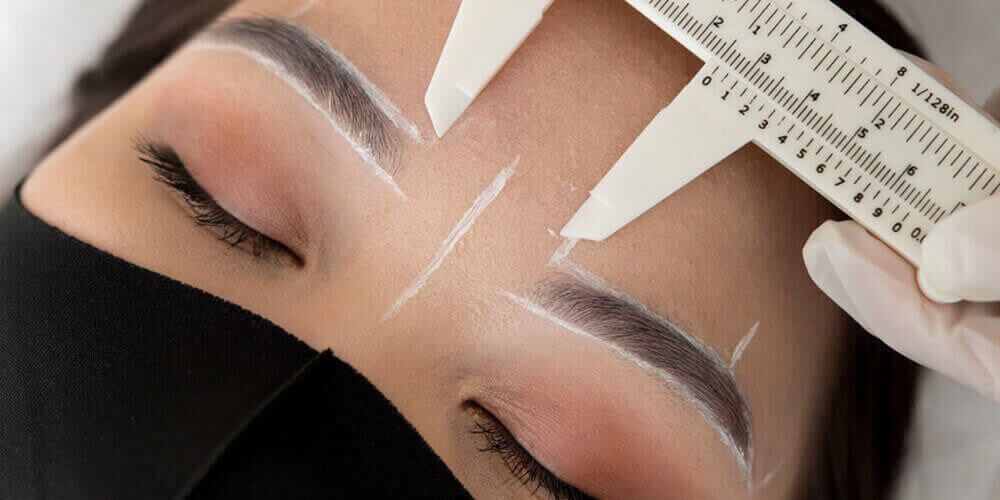
An eyebrow transplant moves hair from one part of your body to your eyebrows. Doctors take hair from your scalp. They place these hairs into your brow area. This helps people who have thin brows or no brows at all.
Many things cause thin eyebrows. Some people over-plucked their brows for years. Others lost brow hair due to age. Some have scars that stop hair growth. Medical issues like alopecia can also cause brow loss. Burns and accidents may damage brow hair too.
People want full brows for many reasons. Brows frame your face. They show emotion. Thick brows look young and healthy. Many beauty trends favor bold brows. This makes eyebrow transplant before and after results very popular online.
The procedure takes a few hours. You stay awake during it. Doctors use local numbing medicine. You feel no pain. They remove hair grafts from your scalp. Then they make tiny cuts in your brow skin. They place each hair with care. The angle matters. The direction matters. Good doctors copy natural brow patterns.
This article explains the full post eyebrow transplant process. We cover each stage. You learn what happens week by week. You learn about the eyebrow transplant recovery timeline. We answer common questions. We help you know what to expect.
You walk out of the clinic the same day. Your brows look full right away. This excites many patients. But this is not the final look. The real work starts now.
Your doctor gives you care rules. Follow these rules. They protect your new grafts. They speed up healing.
The first 24 hours matter most. Do not touch your brows. Do not get them wet. Sleep with your head raised. Use two pillows. This stops swelling.
Swelling peaks on day two or three. This is normal. It goes down fast.
You see tiny red dots where hairs were placed. These form small scabs. Do not pick them. Let them fall off on their own. Picking can pull out
grafts. This ruins your results.
Your scalp feels sore where hair was taken. This donor area heals fast. Most people feel little pain. Over-the-counter pills help if needed.
You must avoid some things. No heavy exercise for one week. No swimming for two weeks. No saunas or steam rooms. Heat and sweat harm
new grafts. Avoid direct sun on your brows. Wear a hat if you go outside.
The first few days test your patience. You want to see results. But you must wait. The eyebrow transplant healing process takes time. Trust the
process. Good things come to those who wait.
Scabs start falling off around day five. This continues through day ten. This scares some patients. They think hairs are falling out too. But this
is normal. The scab protects the graft. When it falls, the hair may come with it. This does not mean failure.
The hair shaft falls. But the root stays. The root is the important part. It lives under your skin. It will grow new hair later. This is key to
Understanding the eyebrow transplant shedding phase.
Do not rush scab removal. Let them fall naturally. If you scrub or pick, you damage the root. You waste your money. You waste your time. Be
gentle when you wash your face. Pat dry. Do not rub.
Some redness stays after scabs fall. This fades over weeks. Makeup can cover it if needed. But wait until your doctor says it is safe. Usually this
is after two weeks.
Your brows may look patchy now. Some areas have hair. Some do not. This looks uneven. Do not panic. This is part of the post eyebrow
transplant process. Growth comes in stages. Not all hair grows at the same speed.
Yes, shedding is completely normal. Every patient goes through this. It surprises many people. They think the transplant failed. They call their
doctors in worry. But shedding means the process works.
The eyebrow transplant shedding phase starts around week two. It lasts until week eight. Some hairs fall out early. Some fall later. This varies
by person.
Here is why shedding happens. Your body moves the hair into a rest phase. This is called telogen. The old hair shaft drops. The follicle resets. It
prepares to grow new, permanent hair. This is natural hair biology.
Think of it like planting a tree. You move a tree to new soil. It loses its leaves at first. It looks dead. But the roots take hold. New leaves sprout
later. Your brow hairs work the same way.
Is eyebrow shedding normal after transplant? Yes, one hundred percent. If your hairs do not shed, that would be strange. Shedding shows the
follicles are alive. They are doing their job. They are adjusting to their new home.
Some patients shed more than others. Some lose almost all transplanted hairs. Some keep a few. Both are fine. The final result does not
depend on how much you shed. It depends on how well the roots settled in.
Do not count hairs that fall. Do not stress about gaps. The new growth will fill them. Focus on following care rules. Keep the area clean. Avoid
trauma. Let nature do its work.
New growth starts around month three. This is early for some. Others wait until month four. Patience is essential here. The eyebrow hair growth stages after transplant follow a set pattern.
First, you see fine, thin hairs. They look like baby hair. They may grow in different directions. This alarms some patients. They think the angle
was wrong. But early hairs often grow oddly. They straighten out later.
These first hairs are weak. They break easily. Do not pluck them. Do not trim them yet. Let them grow strong. They will thicken over time.
By month four, more hairs appear. You see better density. The brows look fuller. But they are not final. Hairs keep sprouting throughout the month
six.
The big question: when do transplanted eyebrows grow enough to look good? Most people see decent coverage by month six. But full results
take longer. Many hairs still grow between months six and twelve.
Some hairs take a full year to show up. This is the nature of hair cycles. Each follicle wakes up on its own schedule. This creates a natural-looking
results. Real brows do not grow all at once. They have a mix of hair in different stages.
Let us break down the eyebrow transplant recovery timeline step by step.
Month One: Scabs fall off. Shedding begins. Brows look patchy. Redness fades. You may feel worried. This is the hardest month mentally.
Month Two: Shedding continues. Some days you see no hair. Other days, you see a few. The skin heals fully. No more redness. You wait for
signs of life.
Month Three: First new hairs sprout. They are thin and light. You feel hopeful again. These early hairs give you a preview of what is coming.
Month Four: More hairs join in. Density improves. Hairs grow longer. You can start gentle grooming. Your doctor may allow light trimming.
Month Five: Brows look much better. You see real shape forming. Hairs thicken. Color darkens slightly. You gain confidence.
Month Six: Significant growth shows. About sixty to seventy percent of the hair is visible. You can style your brows. Others notice the change.
Months Seven to Nine: Late-growing hairs appear. Density increases more. Hairs mature. They look like natural brow hair. Not scalp hair.
Months Ten to Twelve: Final results emerge. All hairs have grown. They reach full thickness. You see the complete eyebrow transplant before and after results. The wait pays off.
Hair growth follows cycles. Each hair on your body grows, rests, and sheds. Then it grows again. These cycles last months. Your new brow
hairs must start their own cycles.
When doctors transplant hair, they move them mid-cycle. Some were in the growth phase. These may keep growing at first. Then they shed and
restart. Others were in the rest phase. They stay hidden for months. Then they wake up and grow.
This staggered timing creates natural results. Real eyebrows have hairs of different ages. Some are new. Some are old. This mix looks soft and
real. If all hairs grew at once, brows would look fake.
The scalp hair used in transplants grows fast. It grows longer than brow hair. You must trim transplanted brows regularly. This is a small price
for full brows. The texture matches over time. The hairs adapt to their new location.
Year-long timelines test your patience. But they ensure quality. Rushing would hurt results. Good things take time. This applies to the
eyebrow transplant results timeline perfectly.
Good care improves your outcome. It protects your investment. Follow these tips during the eyebrow transplant healing process.
Keep the area clean. Use gentle soap. Pat dry. Do not rub. Avoid makeup on brows for two weeks. Makeup can block pores. It can cause
infection.
Sleep on your back. Do not press your face into the pillow. Pressure can damage grafts. Use a travel pillow if needed. It keeps you in position.
Avoid touching your brows. Your hands carry germs. Touching causes infection. It can dislodge grafts. Keep hands away.
Stay out of the sun. UV rays harm healing skin. They can darken scars. Wear a hat. Use sunscreen after two weeks. Ask your doctor first.
Do not exercise hard for one week. Sweat irritates new grafts. Blood flow increases swelling. Take short walks instead. Stay calm and relaxed.
Eat healthy foods. Protein builds hair. Vitamins help growth. Drink water. Avoid smoking. Smoking slows healing. It reduces blood flow to grafts.
Follow all doctor visits. Your doctor checks progress. They catch problems early. They adjust care if needed. Do not skip appointments.
Look at photos online. Clinics show the best cases. Your results may differ. Everyone starts with different brows. Everyone heals differently.
Some people have thick donor hair. This gives fuller results. Others have fine hair. Their brows look softer. Both can look good. But they look
different.
The number of grafts affects density. Most transplants use fifty to three hundred grafts per brow. More grafts mean thicker brows. Your doctor plans this with you.
Hair texture matters. Curly scalp hair may look odd in brows. Straight hair blends better. Your doctor angles grafts to match natural brow flow. This hides the scalp origin.
Eyebrow transplant before and after results improve over time. Early photos at six months show good change. But one-year photos show the
real magic. Wait before you judge your results.
Some patients want touch-ups. They want more density. They want a better shape. This is normal. Wait one year before deciding. Early growth
still happens. Do not rush into more surgery.
You cannot rush biology. But you can support it. Good habits help hair grow their best.
Eat protein daily. Hair is made of protein. Eggs, fish, chicken, and beans help. Aim for protein at each meal.
Take vitamins if your doctor agrees. Biotin supports hair. Vitamin D helps follicles. Iron prevents loss. Zinc aids repair. Do not overdo
supplements. More is not better.
Massage your brows gently after month two. This boosts blood flow. Use clean fingers. Do this for one minute daily. Stop if you feel pain.
Reduce stress. Stress hurts hair growth. It pushes hairs into the shedding phase. Try meditation. Take walks. Sleep eight hours. Your body heals
when you rest.
Avoid harsh products. No strong chemicals on brows. No bleaching. No heavy dyes. This damages new hairs. Let them grow naturally.
Some doctors suggest growth serums. These may help. Ask before using. Some products irritate skin. They can do more harm than good.
Most transplants go well. But problems can happen. Know the signs. Act fast if you see them.
Infection shows an increasing redness. You see pus. You feel pain. The area feels hot. Call your doctor right away. Antibiotics fix this fast.
Some grafts do not take. This causes patchy growth. It happens if grafts dry out. It happens if you bump the area. Good care prevents this.
Ingrown hairs can form. They cause small bumps. Do not pick them. Warm compresses help. Your doctor can treat them if needed.
Shock loss affects nearby natural brow hairs. The trauma of surgery can make them fall. This is usually temporary. They grow back in months.
Scarring is rare with good technique. Tiny dots may show in the donor area. These hide under hair. The brow area rarely scars. It heals very well.
Pigment changes happen. Skin may darken or lighten. This fades over time. Sun protection prevents it.
Your new brows need care for life. They are real hairs. They behave like scalp hair. This means they grow long. You must trim them.
Trim every two to four weeks. Use small scissors. Follow your brow shape. Do not cut too short. Hair looks best at natural brow length.
Some hairs grow wild. They stick up. Use brow gel to tame them. Comb them into place. Pluck any hairs outside your desired shape. But do not
overpluck. You paid for these hairs. Keep them.
Wash your brows daily. Remove oil and dirt. This keeps follicles healthy. Exfoliate gently weekly. This prevents ingrown hairs.
Visit your doctor yearly. They check your brow health. They suggest touch-ups if needed. They help you keep results long-term.
Consider the long-term cost. Transplants last years. But you spend time on upkeep. You buy brow products. Factor this into your decision.
Before surgery, talk to your doctor. Ask clear questions. Get honest answers.
Ask how many grafts you need. Ask where they place them. Ask about the hairline design. Make sure you like the plan.
Ask about their experience. How many brow transplants have they done? Can you see photos of their work? Good doctors show many
examples.
Ask about the post eyebrow transplant process details. What care products do they suggest? When can you return to work? When can you
exercise?
Ask about risks. What problems might you face? How do they handle them? Know what to expect.
Ask about the eyebrow transplant results timeline. When will you see growth? When will you see final results? This sets your expectations.
Ask about costs. Does the price include follow-up visits? What if you need a touch-up? Get all details in writing.
The shedding phase challenges your mind. You see hairs fall. You see gaps form. You paid money. You went through surgery. Now it looks like it failed.
This is a normal worry. Every patient feels it. Talk to your doctor. They reassure you. They show you progress photos. They explain the biology.
Join online groups. Other patients share stories. They show their shedding photos. They show their growth later. This helps you trust the process.
Take progress photos yourself. Shoot weekly from the same angle. Compare them over time. You see slow changes. This proves growth happens.
Focus on other things. Do not stare at your brows daily. The eyebrow transplant shedding phase ends. Growth begins. Time passes faster
when you do not obsess.
Remember why you did this. You wanted full brows. You wanted to stop drawing them on. The temporary shedding leads to permanent gain.
Keep your eyes on the prize.
Success comes from patience and care. Trust your doctor. Trust your body. Follow these final tips.
Choose your doctor with care. Skill matters most. Cheap options often cost more long-term. They may need fixes. Invest in quality from the
start.
Plan your timing. Do not transplant before big events. You need months for results. Schedule surgery when you have time to heal.
Prepare your home before surgery. Buy supplies. Fill prescriptions. Set up your sleep area. This reduces stress after.
Keep realistic hopes. Transplants improve brows. They may not create perfect movie-star brows. But they create better brows than you had. That is success.
Document everything. Photos help you see change. Notes help you remember what your doctor said. Good records improve your care.
Stay positive. The eyebrow transplant healing process has ups and downs. Growth comes in waves. Some months show a big change. Others show little. This is normal.
Your new brows will frame your face for years. They will boost your confidence. They will save you time each morning. The post eyebrow transplant process takes effort. But the reward lasts a lifetime. Start your journey with knowledge. End it with beautiful brows.