 English
 Türkçe
  Ελληνικά
  العربية
  Русский
  עברית
עברית  Deutsch
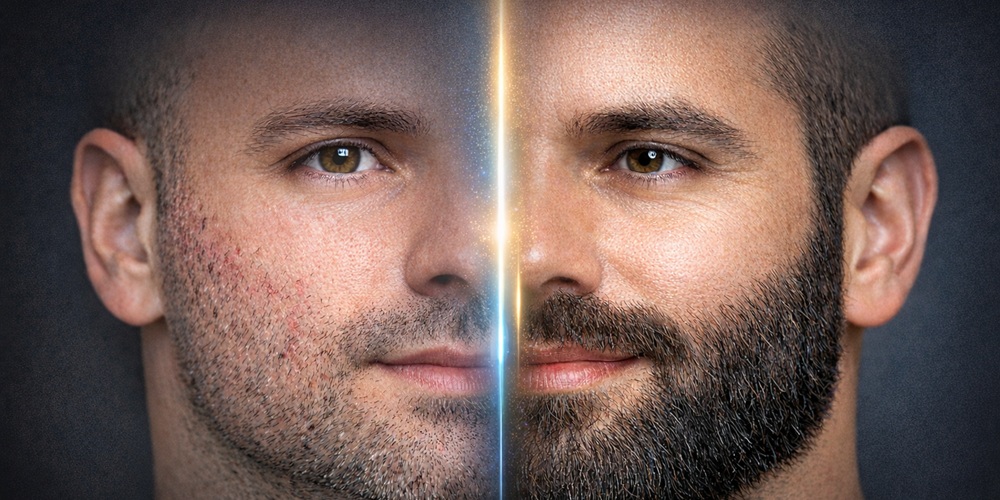
Beard transplant shock loss is a nightmare scenario for some men. You finally get the full beard you’ve always wanted. And then, the unthinkable happens. Your new beard hairs start to fall out! Panic sets in! Is the procedure a failure? Did you just waste your money? Have you ruined your face forever? Relax! Beard transplant shock loss is normal; it happens to almost everyone who has this procedure done. Your body reacts by putting the transplanted follicles into a resting phase after the trauma of surgery. They shed their current hairs in order to make way for new growth. This shedding may look scary and feel very wrong but it actually means that the healing process has started! Your follicles experience shock from the transplant procedure. They need time to recover. They need time to establish new blood supplies. The old hair shafts fall out because new ones will soon replace them. This is biology working as intended. This is not failure.
Most men notice beard transplant shock loss between two to four weeks after surgery. Some see it earlier. Some see it later. The timing varies based on individual healing rates. The extent of shedding varies too. Some men lose only a few hairs. Others see more dramatic shedding. Both scenarios lead to the same outcome: regrowth.
Understanding beard transplant shock loss saves you from unnecessary worry. Knowledge prevents you from making mistakes during recovery. You avoid harsh products. You avoid scratching. You follow your surgeon's instructions. You trust the process. The result? A fuller, thicker beard than you ever imagined possible.
Hair loss after beard transplant stems from multiple factors. Understanding these causes helps you stay calm. You stop blaming yourself. You stop blaming your surgeon. You recognize that biology follows its own timeline.
The transplant process involves extraction and implantation. Surgeons remove hair follicles from your donor area. They create tiny incisions in your beard zone. They place each follicle carefully. This process traumatizes the tissue. Your skin responds with inflammation. Your follicles respond by shutting down temporarily.
Think of it like this. You move a plant from one pot to another. The plant wilts at first. It looks sick. It drops leaves. But given proper care, it roots itself in new soil. It grows stronger than before. Your beard follicles behave exactly this way. They wilt before they thrive.
Follicles need blood to survive. During transplantation, surgeons sever existing blood connections. They must reestablish these connections in your beard area. Until new blood vessels form, follicles lack full nutrition. They shed their hair shafts to conserve energy. They focus on survival rather than maintenance.
New blood supplies take time to develop. Your body builds capillary networks slowly. This process happens beneath your skin where you cannot see it. You only see the hair loss after beard transplant on the surface. You do not see the healing happening below. Trust that your body works even when you cannot observe it directly.
Your immune system detects trauma. It sends healing factors to the transplant site. These factors cause temporary inflammation. They also signal follicles to enter the telogen phase. Telogen is the resting phase of the hair growth cycle. During telogen, hairs detach and fall out. This is protective. This is temporary.
Some men experience more immune response than others. Genetics play a role here. Your overall health plays a role. Smokers often see more shedding. Men with poor circulation see more shedding. Men who follow post-operative instructions see less shedding. You control some factors. You accept others.
Some men have patchy beard growth before surgery. They want to fill gaps. Surgeons transplant new follicles among existing ones. The procedure can shock these native hairs too. They may shed along with the transplanted ones. This looks worse than it is. Native hairs usually return. Transplanted hairs definitely return.
Surgeons minimize this risk through careful technique. They space grafts appropriately. They avoid overloading any single area. They preserve blood supply to existing follicles. Choose an experienced surgeon. Ask about their approach to protecting native beard hair. This question matters more than you might think.
What happens after beard transplant follows a predictable pattern. Knowing this timeline prevents anxiety. You know what to expect each week. You know what is normal. You know what requires medical attention.
Day one brings bandages and swelling. Your face looks puffy. You see tiny crusts where surgeons placed grafts. These crusts protect the new follicles. Do not pick them. Do not scratch them. Let them fall off naturally. This patience pays off later.
Days two through four bring more swelling. Some men get black eyes. The swelling moves downward due to gravity. This looks dramatic. It looks worse than it feels. Sleep with your head elevated. Apply cold compresses as directed. The swelling peaks and then subsides.
Days five through seven bring itching. Healing causes itchiness. The crusts start loosening. You may gently wash your face per your surgeon's instructions. You still avoid direct pressure on grafts. You still avoid strenuous exercise. Sweat irritates fresh incisions. Heat increases swelling.
Week two brings the start of beard transplant shock loss. You notice hairs falling out. You see them on your pillow. You see them when you wash your face. This feels devastating. Remember: this is expected. This is necessary. The follicles remain alive beneath your skin. They prepare for new growth.
Week three continues the shedding. Some men shed all transplanted hairs. Others keep some. Both situations are normal. The follicles now rest in the telogen phase. You cannot see them working. But they are working. They are building new connections. They are preparing new hair shafts.
Week four brings visible settling. Swelling completely resolves. Crusts have fallen off. The redness fades. Your face looks normal except for the missing hairs. You may feel discouraged. You may doubt the procedure. This is the hardest psychological phase. Stay strong. The growth phase approaches.
Month two surprises many men. New hairs start emerging. They look thin. They look wispy. They lack pigment initially. Some grow in different directions than expected. Do not judge them yet. These are immature hairs. They strengthen over time.
Month three brings more density. The new hairs thicken. They darken. They start following proper growth patterns. You can finally see the beard shape taking form. You feel hopeful again. You remember why you chose this procedure.
Month four through six deliver major improvements. Hairs continue thickening. Coverage increases. You can trim and shape your beard. You start receiving compliments. People notice the change. They may not know you had surgery. They just see that you look better.
How many months does it take for beard hair to grow completely? Most men need twelve to eighteen months for final results. Some see full results earlier. Some need the full eighteen months. Patience defines this journey.
Month one through three: Shedding and early regrowth. You see patchy, thin hairs. You wonder if the density will satisfy you. Trust the process.
Month four through six: Visible improvement. Hairs thicken. Coverage expands. You style your beard confidently. You forget the early shedding phase.
Month seven through twelve: Maturation continues. Hairs gain full thickness. They blend with native beard hair. The texture matches perfectly. The transplant becomes undetectable.
Month twelve through eighteen: Final refinement. Any late-growing hairs emerge. Density reaches maximum potential. You achieve the beard you envisioned during consultation.
Hair grows slowly. Each follicle operates on its own timeline. They do not synchronize. Some rest while others grow. This creates the illusion of slow progress. Actually, constant activity happens beneath your skin.
Transplanted follicles also adjust to new locations. They came from your scalp. Scalp hair grows differently than beard hair. Over time, these follicles adapt. They take on beard-like characteristics. They may grow slightly slower than native beard hair. They may have slightly different texture at first. These differences normalize with time.
The beard transplant recovery process demands attention to detail. Small actions make big differences. You invest money and time in this procedure. Protect that investment through proper care.
First forty-eight hours: Rest. Avoid bending over. Avoid straining. These actions increase blood pressure in your face. Increased pressure risks graft dislodgement. Sleep on your back. Use travel pillows to prevent rolling.
First week: Gentle cleansing. Your surgeon provides specific instructions. Usually, you spray saline solution on grafts. You pat dry carefully. You avoid rubbing. You avoid hot water. Lukewarm water protects sensitive tissue.
First month: Sun protection matters enormously. UV rays damage healing skin. They darken scars. They slow healing. Wear a wide-brimmed hat when outdoors. Apply sunscreen once your surgeon approves. Choose physical sunblocks with zinc oxide. These irritate less than chemical sunscreens.
Exercise restrictions last about two weeks. Heavy lifting, running, and intense workouts increase blood flow to your face. This risks bleeding. This risks swelling. Walking is fine. Light stretching is fine. Save the heavy training for later.
Swimming waits for four to six weeks. Pools contain chlorine. Chlorine dries and irritates healing skin. Lakes and oceans contain bacteria.
Infection risks outweigh the pleasure of swimming. Showering replaces swimming temporarily.
Smoking and alcohol delay healing significantly. Nicotine constricts blood vessels. It starves follicles of oxygen and nutrients. Alcohol thins blood. It increases bleeding risk. It dehydrates tissue. Stop both habits at least two weeks before and four weeks after surgery. Ideally, quit smoking forever. Your beard and your lungs will thank you.
Infection shows as increasing redness, warmth, or pus. Some redness is normal. Increasing redness is not. Pain should decrease daily. Increasing pain signals problems. Fever always requires immediate medical attention.
Graft loss looks like empty patches where hairs previously grew. Some patchiness is normal during beard transplant shock loss. Complete absence of any hair in a transplanted zone suggests graft failure. Contact your surgeon promptly if you suspect this.
Excessive scarring appears as raised, thickened tissue. Proper technique minimizes scarring. Proper aftercare prevents scar thickening. Massage techniques, once approved by your surgeon, help scars flatten.
Understanding causes of beard transplant shock loss in detail empowers you. You make informed decisions. You select better surgeons. You prepare properly. You recover optimally.
Surgeons extract grafts using FUE or FUT methods. FUE removes individual follicles. FUT removes a strip of scalp tissue. Skilled surgeons minimize trauma during extraction. They preserve the protective tissue around each follicle. They keep grafts moist and cool while processing. They implant quickly before grafts dry out.
Poor technique damages follicles. Damaged follicles experience more shock. They may not survive the transplant. They certainly shed more dramatically. Research your surgeon's credentials. Ask about their graft survival rates. Ask about their shock loss management strategies.
Surgeons create tiny incisions for graft placement. The depth, angle, and density of these incisions matter enormously. Too shallow, and grafts do not anchor properly. Too deep, and they sit in pooled blood. Wrong angle, and hairs grow oddly. Too dense, and blood supply cannot support all grafts.
Proper preparation reduces beard transplant shock loss. It ensures each graft gets adequate space and blood supply. It allows natural growth patterns. View before-and-after photos of your surgeon's work. Look for natural directionality. Look for even density.
Your age influences healing. Younger men often heal faster. They have more robust circulation. However, younger men also have more active immune responses. This can mean more inflammation. Older men heal slower but sometimes with less dramatic shedding.
Your genetics determine hair characteristics. They also determine healing speed. Some families scar easily. Some families have sensitive immune systems. You cannot change your genes. You can optimize your health to work with them.
Your nutrition status affects everything. Protein builds hair. Vitamins aid the function of the follicles. Hydration supports tissue health. Pre and post-surgery good nutrition is advised. If you do not have a varied diet, take supplements. Your surgeon may recommend some specific vitamins.
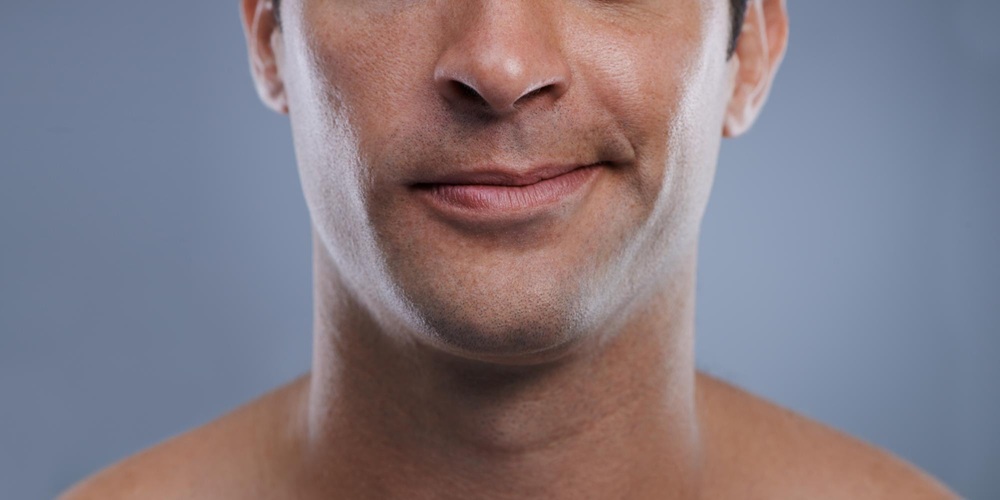
Post-beard transplant care determines your final outcome. The surgery itself matters. But your daily actions afterward matter equally. Treat your new beard like the investment it is.
Days one through five: No direct washing. Use the saline spray your surgeon provides. Let it sit. Gently blot excess with clean tissue. Do not rub. Do not apply pressure.
Days six through fourteen: Gentle washing begins. Use mild, fragrance-free cleanser. Lather in your hands first. Apply with fingertips only. Rinse carefully. Pat dry with soft, clean towels. Do not use your regular rough towel.
Week three onward: Resume normal face washing. Continue being gentle around the beard area for six weeks total. Avoid exfoliating scrubs. Avoid harsh acne treatments. These irritate healing follicles.
Healing skin gets dry and tight. Dryness causes itching. Itching leads to scratching. Scratching damages grafts. Moisturizing prevents this chain reaction.
Choose simple, hypoallergenic moisturizers. Avoid fragrances. Avoid dyes. Avoid active ingredients like retinol or acids. These burn healing tissue. Plain aloe vera gel works well. Medical-grade healing ointments work better. Ask your surgeon for recommendations.
Apply moisturizer by patting, not rubbing. Use clean hands. Apply several times daily during the first month. Your comfort increases. Your healing improves.
Protein intake matters enormously. Hair consists of protein. Your healing tissue needs protein. Aim for lean meats, fish, eggs, legumes. Spread protein intake throughout the day. Your body uses it better this way.
Vitamins C and E support skin healing. They fight inflammation. They support collagen production. Citrus fruits, berries, nuts, and seeds provide these abundantly. Consider supplements if your diet lacks variety.
Zinc and iron support hair growth specifically. Red meat, shellfish, spinach, and pumpkin seeds contain these minerals. Deficiencies slow your beard transplant recovery process. Get blood tests before surgery if you suspect deficiencies.
Hydration cannot be overstated. Water carries nutrients to follicles. It removes waste products. It keeps skin supple. Drink eight glasses daily minimum. More if you exercise or live in hot climates.
Understanding beard transplant process stages clarifies your journey. You know where you stand. You know what comes next. You avoid unrealistic expectations.
You meet with your surgeon. You discuss goals. You show photos of beards you admire. The surgeon examines your donor area. They assess your scalp hair density. They determine how many grafts you need. They design your beard shape. They consider your facial structure. They consider your hair characteristics.
This stage sets expectations. Good surgeons refuse unrealistic requests. They explain limitations. They explain possibilities. They create a plan together with you. You leave understanding the timeline. You understand the costs. You understand the commitment.
Arrival and preparation: You change into surgical garments. Staff photograph your face. They mark the beard design. You approve the markings. They administer local anesthesia. You feel pressure, not pain.
Extraction phase: The surgeon removes donor grafts. You lie face down or on your side. This takes hours depending on graft count. You listen to music. You nap. Staff provide breaks.
Implantation phase: You sit or recline. The surgeon creates recipient sites. They place each graft individually. This requires intense concentration. It takes several more hours. You remain comfortable throughout.
Completion: Staff clean your face. They apply protective dressings. They review aftercare instructions. Someone drives you home. You begin recovery immediately.
Stage one: Immediate healing. Days one through fourteen. Swelling, crusting, and initial care dominate. Beard transplant shock loss begins at the end of this stage.
Stage two: Shock loss and dormancy. Weeks two through eight. Hairs shed. Follicles rest. Surface activity seems minimal. Internal healing continues intensely.
Stage three: Early growth. Months two through four. New hairs emerge. They look thin. They look awkward. They represent promise, not final results.
Stage four: Maturation. Months five through twelve. Hairs thicken. They darken. They blend. Your beard looks increasingly natural.
Stage five: Final results. Months twelve through eighteen. Full density achieves. You style freely. You forget the surgical process entirely.
When do beard transplant results appear troubles every patient. You want immediate gratification. Biology refuses to rush. Understanding the timeline helps you wait patiently.
At three months, you see real growth. The new hairs may look different from your existing beard. They may be thinner. They may be lighter in color. They may grow in slightly different directions. Do not judge yet. These are baby hairs. They mature significantly over the next year.
Density at three months represents perhaps thirty percent of final density. Some areas grow faster than others. Patchiness is normal. Your surgeon placed grafts strategically knowing this uneven growth would occur. Trust their planning.
Six months brings substantial change. Most men feel confident at this stage. The beard looks filled in. You can style it meaningfully. You receive compliments. The texture improves. Hairs feel more like natural beard hair.
Density at six months reaches perhaps sixty to seventy percent of final density. The growth rate stabilizes. You trim regularly. You may forget you had a transplant when looking in the mirror. The mirror shows a bearded man, not a patient.
Twelve months reveals your new normal. The beard reaches full thickness. The texture matches perfectly. The growth patterns look natural.
No one detects the surgery unless you tell them. You have the beard you envisioned.
Some men see continued improvement between twelve and eighteen months. Late-growing hairs emerge. Density increases slightly more.
Final judgment belongs at eighteen months. If concerns remain then, discuss them with your surgeon.
While beard transplant shock loss is normal, you can reduce its severity. You can support faster recovery. Small efforts compound into better results.
Stop smoking at least two weeks before. Smoking constricts vessels. It reduces oxygen delivery. It increases shock loss risk. It slows healing. Quitting is hard. Do it anyway.
Avoid blood thinners as directed. Your surgeon provides a list. Common culprits include aspirin, ibuprofen, and certain supplements. These increase bleeding. Bleeding complicates graft placement. Follow instructions precisely.
Get healthy. Eat nutritiously. Sleep well. Exercise moderately. A strong body heals better. It supports grafts better. It reduces complications. Start your recovery from a position of strength.
Sleep properly. Use multiple pillows. Keep your head elevated above your heart. This reduces swelling. It reduces blood pressure in your face. It protects grafts during the vulnerable early days.
Avoid touching your face. Your hands carry bacteria. They also apply pressure. Let the grafts settle undisturbed. Touch them only during approved cleansing. Touch them gently even then.
Follow medication schedules. Antibiotics prevent infection. Anti-inflammatories reduce swelling. Pain medications keep you comfortable. Take them as prescribed. Do not skip doses. Do not stop early because you feel better.
Once healed, treat your beard well. Use quality beard oils. They condition both skin and hair. They prevent dryness. They reduce breakage. Healthy beard hair looks better. It grows better.
Eat for hair health continuously. Do not abandon good nutrition once healed. Your beard needs ongoing support. Protein, vitamins, and minerals matter forever. They matter especially during stress or illness when hair growth naturally slows.
Protect from sun damage permanently. UV rays age skin. They damage hair follicles over time. They fade beard color. Continue sun protection habits. Wear hats. Apply beard-specific sunscreens. Your transplant investment deserves lifelong protection.
Beard transplant shock loss frightens every patient. It looks like failure. It feels like a disaster. In reality, it signals success. It shows your follicles are alive. They are responding to change. They are preparing for magnificent growth.
The hair loss after beard transplant phase passes. It gives way to new growth. That growth transforms into a full, natural beard. The beard transplant recovery process tests your patience. It rewards that patience abundantly.
Understanding what happens after beard transplant prepares you mentally. You endure the shedding phase, knowing regrowth follows. You follow post-beard transplant care instructions precisely. You track the beard transplant process stages without panic. You know how many months does it take for beard hair to grow. You do not rush nature.
The causes of beard transplant shock loss are biological, not personal. You do not cause them. You navigate through them. You reach the destination: a beard that defines your face. A beard that boosts your confidence. A beard that lasts forever.
Trust your surgeon. Trust your body. Trust the process. The mirror will reward you. The calendar will prove you right. Your beard will grow. Your patience will pay. And someday soon, you will run your hand through that full, thick beard and smile, remembering that the temporary beard transplant shock loss was simply the price of permanent transformation.